
Can Carbamide Peroxide Whiten Crowns, Veneers or Fillings?
Many people expect whitening treatments to brighten every part of their smile equally. Yet crowns, veneers, and dental fillings often resist carbamide peroxide the way natural teeth do not. Understanding how these dental restorations react can save you time and frustration. Keep reading to learn what really works for whitening crowns and veneers, and when you should consult a dental professional before making any changes. Learn more about how carbamide peroxide is revolutionizing teeth whitening.
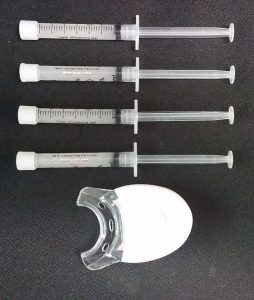
Order Carbamide Peroxide teeth whitening today and get FREE shipping!
Understanding Carbamide Peroxide
Carbamide peroxide is a well-known agent used in dental whitening. It plays a key role in many whitening products, offering a solution for those seeking a brighter smile. But how does it work, and why is it so popular?
What is Carbamide Peroxide?
Carbamide peroxide is a combination of hydrogen peroxide and urea. This compound breaks down to release oxygen when applied to the teeth. The oxygen gets into the enamel and helps to remove stains, making teeth appear whiter. It’s a common ingredient in at-home whitening kits and professional treatments.
How It Works for Whitening
When you use a whitening product containing carbamide peroxide, the compound penetrates the enamel. It releases oxygen molecules that gently lift stains from the teeth. This process targets surface stains primarily from food, drinks, and smoking. The longer it stays in contact with the teeth, the more effective it can be. However, it’s crucial to follow usage instructions to avoid sensitivity.
Common Uses in Dentistry
Dentists use carbamide peroxide in various whitening treatments. It’s favored for its effectiveness and safety profile. Whether it’s in-office treatments or take-home kits, this compound is often the bleaching agent of choice. It allows you to lighten the color of your teeth over several sessions with noticeable results. Explore more about carbamide peroxide teeth whitening kits here.
Impact on Crowns, Veneers, and Fillings
The effectiveness of carbamide peroxide varies when it comes to dental restorations. While it works wonders on natural teeth, its impact on crowns, veneers, and fillings is less straightforward.
Composition of Dental Restorations
Crowns, veneers, and fillings are crafted from materials like porcelain, ceramic, or composite resin. These materials do not react the same way to whitening agents as natural enamel does. Their structure and composition mean they often resist bleaching, leaving them unchanged in color.
Whitening Effects on Crowns
You might wonder if crowns can be whitened like your natural teeth. Unfortunately, they do not respond to carbamide peroxide. The non-porous nature of the materials used in crowns means they won’t lighten. This can lead to a mismatch in color if your natural teeth become whiter while your crowns remain the same.
Whitening Veneers and Fillings
Similar to crowns, veneers and fillings also resist whitening. They are made to match your natural tooth color at the time of placement. As your natural teeth lighten, these restorations can stand out if not managed properly. It’s important to consider other options or consult a dentist for advice on achieving a uniform look.
Challenges in Whitening Treatments
Whitening dental restorations presents unique challenges. Recognizing these can help you make better decisions for your oral health and aesthetics.
Absorption Differences
One challenge is the difference in how materials absorb whitening agents. Natural enamel is porous, allowing for oxygen penetration, which helps lift stains. In contrast, the materials used in restorations are not porous, making them resistant to such treatments. This absorption difference is why your restorations remain the same color while your natural teeth whiten.
Limitations of Carbamide Peroxide
Carbamide peroxide is effective for natural teeth but has limitations. It’s not designed to change the color of synthetic materials like those used in dental restorations. This limitation is why alternative treatments might be necessary if you’re looking to adjust the color of your dental work.
Risks of DIY Whitening
DIY whitening kits may be tempting, but they come with risks. Without professional guidance, you might misuse products, leading to uneven whitening or increased sensitivity. Moreover, these kits won’t change the color of your crowns, veneers, or fillings. Consulting a dental professional is always recommended to avoid these pitfalls.
Alternatives for a Uniform Smile
If you’re aiming for a balanced smile, there are alternatives to consider. Not all solutions involve whitening agents.
Professional Whitening Solutions
Professional treatments offer tailored solutions. Dentists can provide options that ensure all your teeth look uniform. This might involve replacing or adjusting your restorations to match your newly whitened natural teeth. Professional guidance is key to achieving the desired result.
Maintenance of Dental Aesthetics
Maintaining your dental aesthetics requires consistent care. Regular cleaning and check-ups help preserve the appearance of both natural and restored teeth. Using non-abrasive toothpaste and avoiding staining foods can prolong the brightness and uniformity of your smile.
Consult a Dental Professional
Always consult with a dental professional before starting any whitening treatment on restorations. They can assess your needs and recommend the best course of action. Their expertise will guide you in making informed decisions, ensuring a safe and effective approach to your oral aesthetics.
Making Informed Oral Aesthetic Decisions
Understanding your goals and the limitations of whitening treatments is crucial. This knowledge empowers you to make thoughtful choices about your dental care.
Assessing Whitening Goals
Reflect on what you want to achieve with whitening. Is it a brighter smile overall, or are you aiming to match restorations with natural teeth? Knowing your goals helps in selecting the right treatment path and setting realistic expectations.
Long-term Care for Restorations
Long-term care is essential for preserving the look of your dental work. Regular visits to your dentist ensure restorations remain in top condition. They can provide advice on maintaining your smile’s appearance, addressing any issues as they arise.
Balancing Natural Teeth and Restorations
Finding balance between natural teeth and restorations requires careful planning. By consulting with your dentist and considering all options, you can achieve a harmonious smile. This balance ensures that both natural teeth and restorations contribute to the overall aesthetic appeal.
Frequently Asked Questions
Can carbamide peroxide whiten crowns?
Carbamide peroxide will not whiten crowns. These materials are resistant to bleaching agents, so their color remains unchanged.
What are the risks of DIY whitening?
DIY whitening can lead to uneven results and increased sensitivity. Without professional guidance, you might misuse products and achieve less-than-ideal outcomes.
Do veneers respond to carbamide peroxide?
Veneers do not respond to carbamide peroxide. They are crafted to match your natural teeth at placement, and whitening agents won’t alter their color.
How can I achieve a uniform smile?
Consulting a dental professional is the best way to achieve a uniform smile. They can suggest treatments or adjustments to your restorations for a cohesive look.
What’s the best way to maintain dental aesthetics?
Regular dental check-ups and cleanings, along with good oral hygiene practices, help maintain dental aesthetics. Avoiding staining foods and using non-abrasive products also aid in preserving your smile’s brightness.

All major credit cards accepted
100% Secure Ordering

Teeth Whitening Gel – Teeth Whitening Kit – FAQ – Coupon Code – Shopping Cart – Contact Us

Carbamide Peroxide Teeth Whitening Gel: What to Look for Before You Buy
Carbamide Peroxide Teeth Whitening Gel: What to Look for Before […]

Where to Buy Carbamide Peroxide Teeth Whitening Gel
Where to Buy Carbamide Peroxide Teeth Whitening Gel Finding the […]

Teeth Whitening Kit vs Professional Whitening: Which Gives You More for Your Money?
Teeth Whitening Kit vs Professional Whitening: Which Gives You More […]

What Should Be Included in a Teeth Whitening Kit?
What Should Be Included in a Teeth Whitening Kit? Most […]

How Much Teeth Whitening Gel Do You Need for a Full Treatment?
How Much Teeth Whitening Gel Do You Need for a […]

Best Carbamide Peroxide Teeth Whitening Kits for Home Use
Best Carbamide Peroxide Teeth Whitening Kits for Home Use Most […]

How Much Does Professional Teeth Whitening Cost Compared With an At-Home Kit?
How Much Does Professional Teeth Whitening Cost Compared With an […]
The Complete Guide to Buying Teeth Whitening Gel Online
The Complete Guide to Buying Teeth Whitening Gel Online Online […]
Carbamide Peroxide Whitening Refills: How to Save Money on Teeth Whitening
Carbamide Peroxide Whitening Refills: How to Save Money on Teeth […]
What Is the Best Carbamide Peroxide Percentage for Teeth Whitening?
What Is the Best Carbamide Peroxide Percentage for Teeth Whitening? […]


Leave A Comment