

Does Carbamide Peroxide Make Your Teeth Sensitive?
Many people chasing a brighter smile hit a wall when their teeth start to feel sensitive. If you’ve noticed discomfort during or after whitening treatments, you’re not alone. Carbamide peroxide sensitivity plays a big role in how your teeth react, and knowing what causes it can make all the difference. Keep reading to learn why this happens and how to ease the sting while still getting the results you want. For more information, visit here.
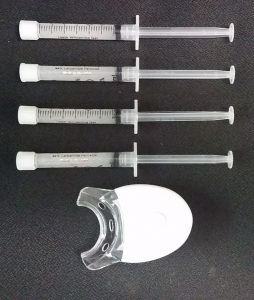
Order Carbamide Peroxide teeth whitening today and get FREE shipping!
Understanding Carbamide Peroxide
Let’s start by exploring what carbamide peroxide is and how it functions in whitening treatments. This understanding is key to tackling tooth sensitivity effectively.
What is Carbamide Peroxide?
Carbamide peroxide is a compound used in many teeth whitening products. It’s made of hydrogen peroxide and urea, which work together to whiten teeth. The hydrogen peroxide part breaks down into water and oxygen, helping to remove stains on your teeth. It’s a popular choice because it works well and is safe when used correctly.
You’ll find carbamide peroxide in various strengths. The higher the concentration, the faster it works. But, higher concentrations can increase the risk of sensitivity. The key is to balance effectiveness with comfort. Many whitening kits contain around 10% to 22% carbamide peroxide. Still, it’s best to start with a lower concentration if you’re worried about sensitivity.
How it Works in Whitening Treatments
Carbamide peroxide works by oxidizing stains on your teeth. This process helps break down the compounds causing discoloration. Over time, this leads to a brighter smile.
When applied to your teeth, the compound penetrates the enamel to reach stains beneath the surface. This deep cleaning effect is what makes it so effective. However, this process can also lead to tooth sensitivity. This sensitivity is usually temporary and fades once the treatment is complete.
For those interested, you can explore more about how carbamide peroxide works in whitening kits by visiting this link.
Causes of Tooth Sensitivity
Understanding the factors contributing to tooth sensitivity is crucial. By identifying these causes, you can better manage sensitivity during whitening treatments.
Factors Contributing to Sensitivity
Several factors can cause sensitivity when using carbamide peroxide. One major factor is the concentration of the whitening agent. Higher concentrations may lead to more noticeable sensitivity. Additionally, the duration of each treatment session can impact how sensitive your teeth feel. Longer sessions can increase the likelihood of discomfort.
Another contributor is the condition of your teeth before treatment. Teeth with worn enamel or exposed roots are more prone to sensitivity. It’s important to assess your dental health before starting any whitening process. Knowing these factors can help you make informed choices about treatment.
Individual Variation in Sensitivity Reactions
Not everyone experiences sensitivity in the same way. Some people have naturally sensitive teeth, making them more susceptible to discomfort. Others may have more robust enamel, reducing sensitivity.
Your personal tolerance to pain also plays a role. What might be a mild inconvenience for one person could be more intense for another. Understanding these individual differences can help set realistic expectations for your whitening journey. For more insights, check out this resource.
Managing Carbamide Peroxide Sensitivity
Now that we know the causes, let’s look at ways to manage sensitivity. There are practical steps you can take to minimize discomfort while whitening.
Tips for Reducing Sensitivity
Here are some tips to help reduce sensitivity during your whitening process:
-
Use a lower concentration: Opt for a product with a lower percentage of carbamide peroxide to start.
-
Shorten treatment time: Try shorter sessions to see how your teeth react before increasing duration.
-
Use desensitizing toothpaste: This can help build enamel strength and reduce sensitivity.
-
Take breaks: Allow a day or two between treatments to give your teeth a rest.
By implementing these strategies, you can enjoy a brighter smile without the sting of sensitivity. Remember, patience is key.
Recommended Dental Care Practices
Good dental care practices can also help manage sensitivity. Regular brushing with a soft-bristled toothbrush is essential. Avoid harsh toothpaste that could wear down enamel.
Flossing daily removes plaque and prevents gum issues. Mouthwash with fluoride can help strengthen your teeth further. By maintaining these habits, you’ll reduce sensitivity and promote overall oral health. Explore more dental care tips.
When to Consult a Dentist
Sometimes, sensitivity can be more than just a minor inconvenience. Knowing when to seek professional advice is crucial.
Signs Sensitivity is Severe
If your sensitivity persists or worsens, it might be time to consult a dentist. Watch for signs like prolonged pain after treatment or discomfort while eating. These could indicate a more serious issue.
Sensitive teeth could be a symptom of underlying dental problems. Don’t ignore persistent pain, as it could lead to more severe issues if left untreated.
Professional Advice and Treatments
A dentist can provide valuable guidance on managing sensitivity. They might recommend alternative treatments or specific products to alleviate discomfort. Professional treatments can sometimes be more controlled and effective than at-home kits.
Consulting with a dental professional ensures you get the best advice tailored to your situation. They can help you achieve your whitening goals safely. For more information on professional treatments, visit this site.
Frequently Asked Questions
What is carbamide peroxide?
Carbamide peroxide is a common whitening agent composed of hydrogen peroxide and urea. It helps remove stains by breaking down compounds on and beneath the tooth surface.
Why do teeth become sensitive during whitening?
Sensitivity occurs because carbamide peroxide penetrates the enamel, reaching the stains. This process can irritate the nerves, leading to temporary discomfort.
How can I reduce tooth sensitivity when whitening?
Start with a lower concentration, shorten treatment times, and use desensitizing toothpaste. Taking these steps can help manage sensitivity effectively.
Should I see a dentist for tooth sensitivity?
If sensitivity persists or worsens, consult a dentist. They can provide guidance and treatments to manage discomfort and address any underlying issues.
Are there any products that can help with sensitivity?
Yes, desensitizing toothpaste and fluoride mouthwash are helpful in reducing sensitivity. These products can strengthen enamel and provide relief.

All major credit cards accepted
100% Secure Ordering

Teeth Whitening Gel – Teeth Whitening Kit – FAQ – Coupon Code – Shopping Cart – Contact Us

Does Carbamide Peroxide Make Your Teeth Sensitive?
Does Carbamide Peroxide Make Your Teeth Sensitive? Many people chasing […]

The Best Way to Maintain White Teeth After Carbamide Peroxide Whitening
The Best Way to Maintain White Teeth After Carbamide Peroxide […]

How Long Do Carbamide Peroxide Whitening Results Last?
How Long Do Carbamide Peroxide Whitening Results Last? Carbamide peroxide […]

Carbamide Peroxide Teeth Whitening: Common Mistakes to Avoid
Carbamide Peroxide Teeth Whitening: Common Mistakes to Avoid Many people […]

How to Whiten Your Teeth Without Making Them Sensitive
How to Whiten Your Teeth Without Making Them Sensitive Most […]

What Is Carbamide Peroxide and How Does It Whiten Teeth?
What Is Carbamide Peroxide and How Does It Whiten Teeth? […]

Carbamide Peroxide Whitening for Coffee Drinkers: Complete Guide
Carbamide Peroxide Whitening for Coffee Drinkers: Complete Guide Coffee stains […]

How Often Can You Use Carbamide Peroxide Teeth Whitening?
How Often Can You Use Carbamide Peroxide Teeth Whitening? Carbamide […]

Can You Eat After Using Carbamide Peroxide Whitening Gel?
Can You Eat After Using Carbamide Peroxide Whitening Gel? You […]

Why Are My Teeth Still Yellow After Whitening?
Why Are My Teeth Still Yellow After Whitening? You spent […]


Leave A Comment